Description:
The SELECT Statement
SELECT is the workhorse of SQL — almost every analytical query starts with it.
The basic form
`sql SELECT columns FROM table; ` columns is the list of fields you want back, and `table` is where the data lives. The semicolon ends the statement.
A first example
`sql SELECT FirstName, LastName FROM Employees; ` This returns just the first and last names of every employee, in the order they happen to be stored.
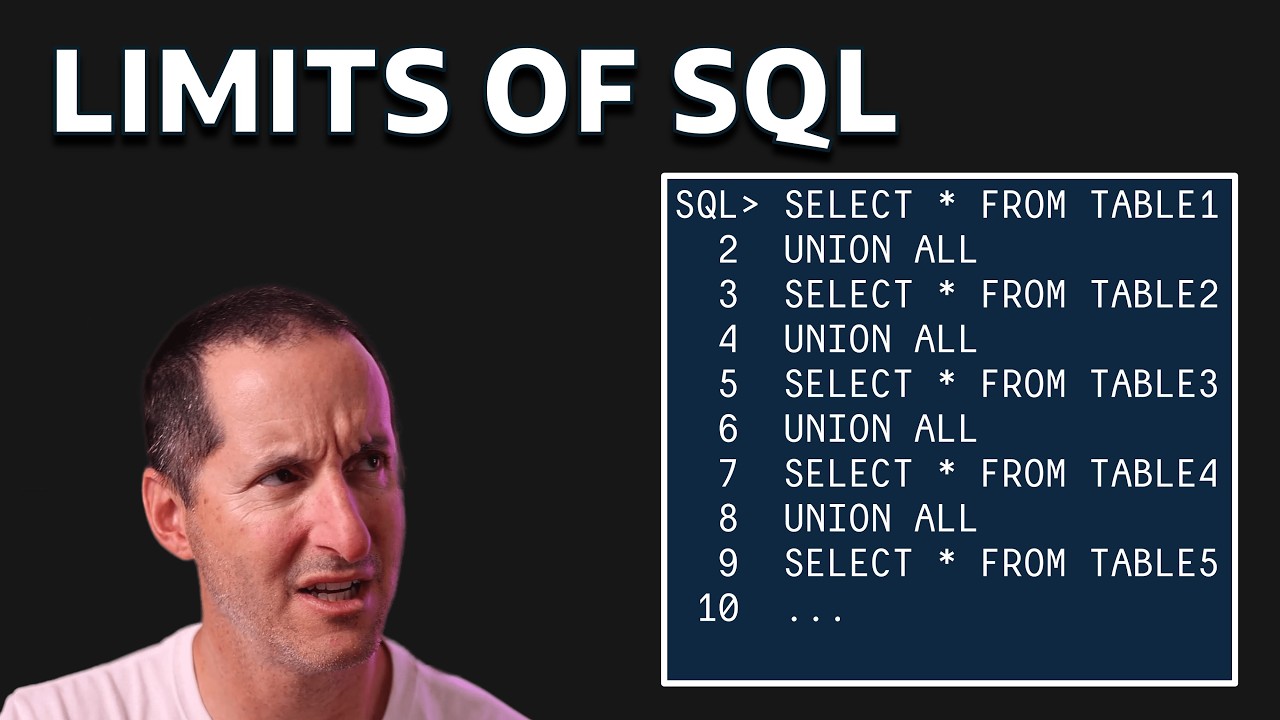
SELECT * — convenient but risky
SELECT * retrieves every column. It's handy when exploring a new table, but in production queries it:
Pulls back more data than you need (slower over the network)
Breaks reports silently if a column is added or removed later
Hides intent — the next analyst can't tell what you actually cared about
As a rule of thumb: *explore with , deliver with named columns.**
Aliasing for readable output
Use AS to rename a column in the output: `sql SELECT FirstName AS "First Name", LastName AS "Surname" FROM Employees; `


















Share this link via
Or copy link